
Hennessey residents will soon be asked to make an important decision about the future of emergency medical services in the community. The discussion centers on how to fund ambulance service long-term and why local leaders say the current funding model is no longer sustainable.
For the past 25 years, Life EMS provided ambulance service to Hennessey without significant rate increases. Following the retirement of the owner and the sale of the service to Mercy Regional EMS, the community is now facing the true market cost of providing emergency medical care.
Town officials say the existing city sales tax, which generates approximately $16,000 to $17,000 per month, is no longer enough to cover the cost of maintaining ambulance service.
The town entered into a temporary six-month agreement with Mercy Regional EMS to gather operational and financial data about the service. The agreement costs approximately $26,000 per month, and officials note that even this amount is considered below market value. By comparison, nearby communities pay considerably more for similar services.
The challenge is not unique to Hennessey. EMS agencies across Oklahoma and the nation are dealing with rising equipment costs, staffing shortages, and increasing operating expenses. A modern cardiac monitor can cost around $60,000, while the cost of medications, fuel, training, insurance, and vehicle maintenance continues to rise.
To address the funding shortfall, community leaders are proposing the creation of a 522 EMS District. The district would establish a property tax across the entire Hennessey School District, including portions of Garfield County. Supporters argue this would create a broader funding base because all property owners within the service area would contribute to ambulance operations, rather than relying solely on sales taxes collected within Hennessey city limits.
Officials estimate the proposed district would generate between $200,000 and $220,000 annually. However, they emphasize that the new tax alone would not fully fund ambulance operations. Instead, it would work alongside existing sales tax revenue to help cover annual staffing costs, which exceed $400,000 before equipment, fuel, medications, and other expenses are considered.
Another key point in the discussion is the level of service Hennessey residents currently receive. The community is served by an Advanced Life Support (ALS) ambulance staffed with paramedic-level providers. Unlike basic ambulance services that primarily transport patients to a hospital, ALS crews can perform advanced medical procedures, administer critical medications, interpret cardiac rhythms, and provide life-saving care before reaching the emergency room.
If voters approve the district, county commissioners would appoint an independent EMS board to oversee the funds. That board would be responsible for seeking proposals from ambulance providers and selecting the service that best meets the community’s needs and budget. The board would operate independently from the Hennessey Board of Trustees.
Local officials stress that even if the district is approved, it is only a first step. Many EMS leaders believe long-term solutions will require state and federal action, including recognizing EMS as an essential public service similar to police and fire protection.
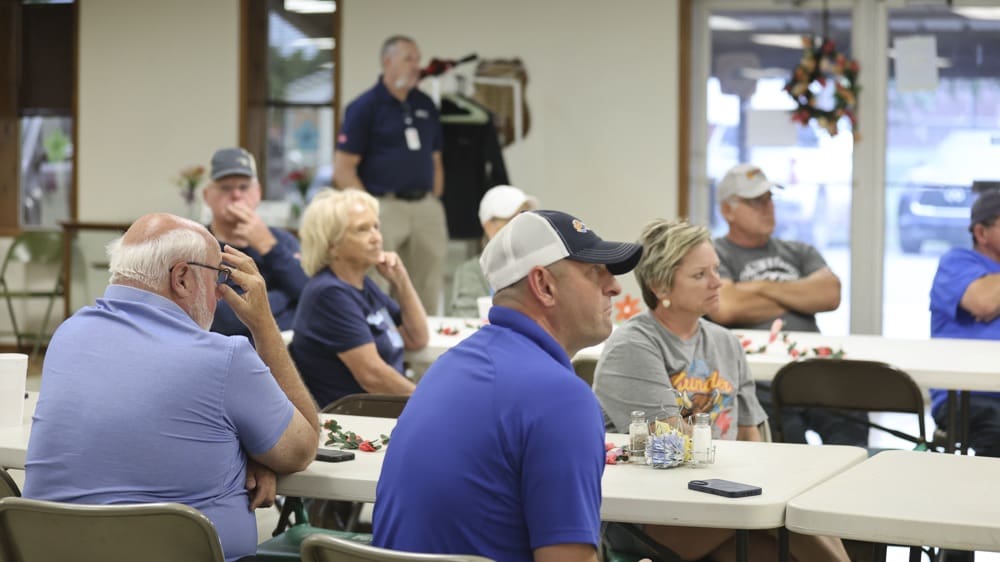
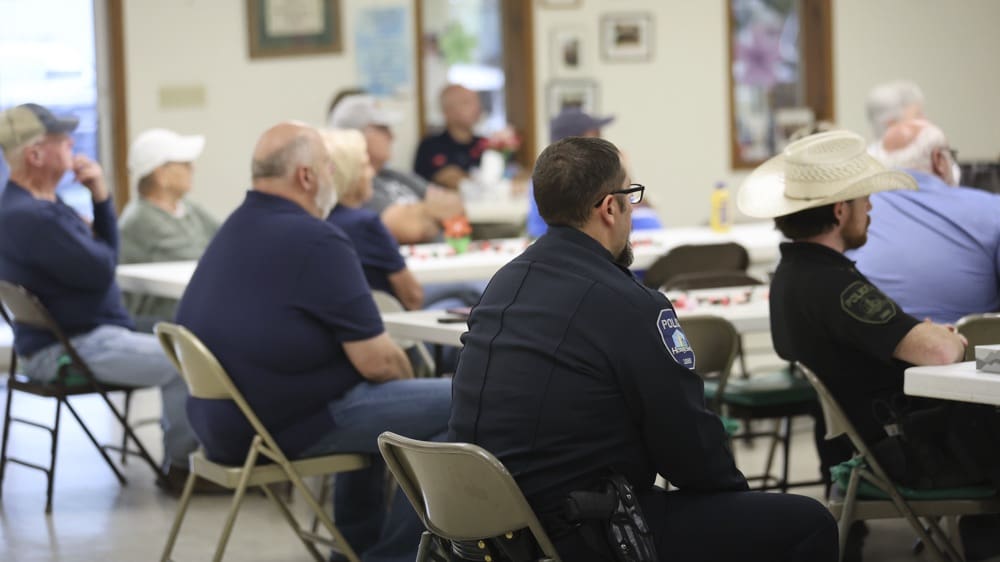
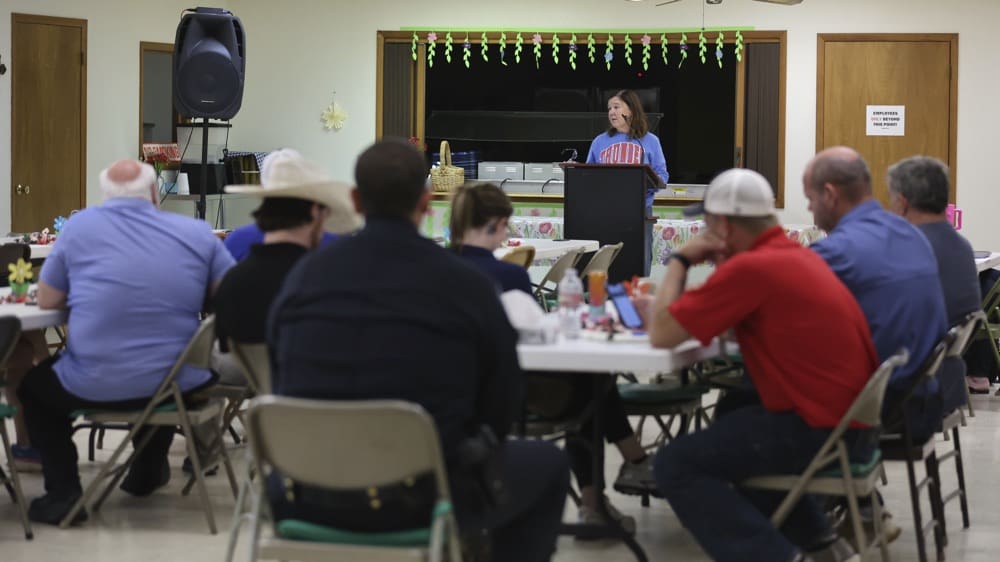
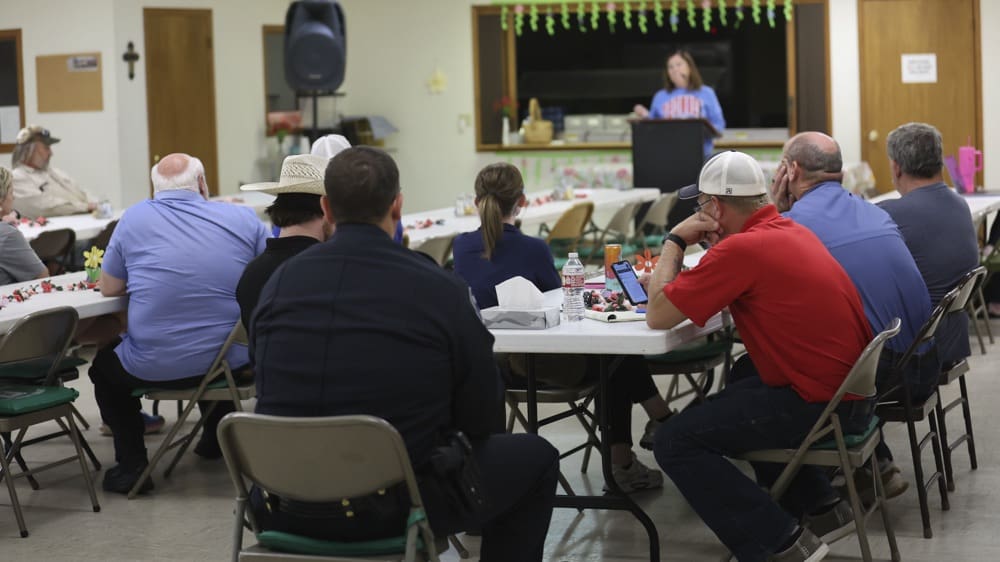
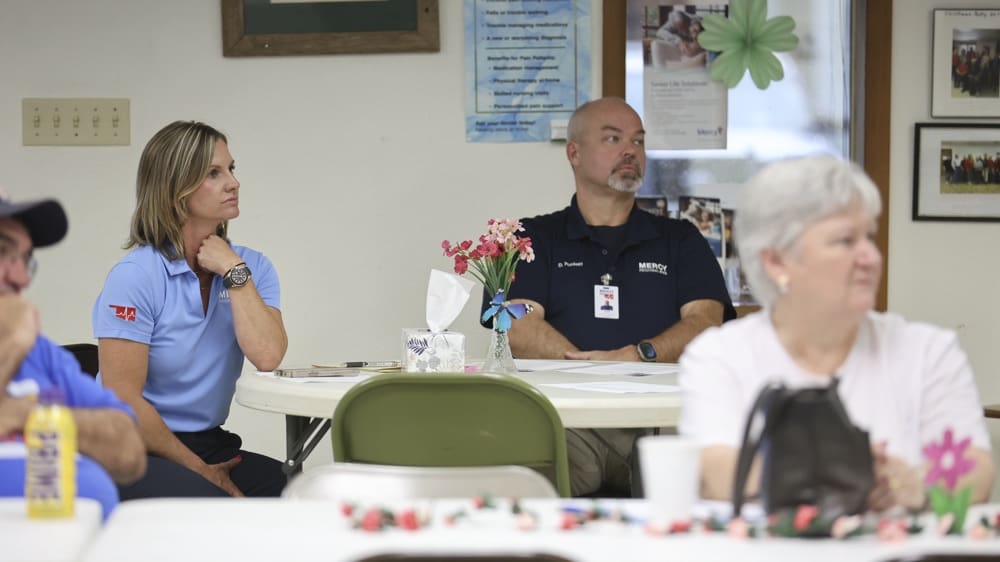
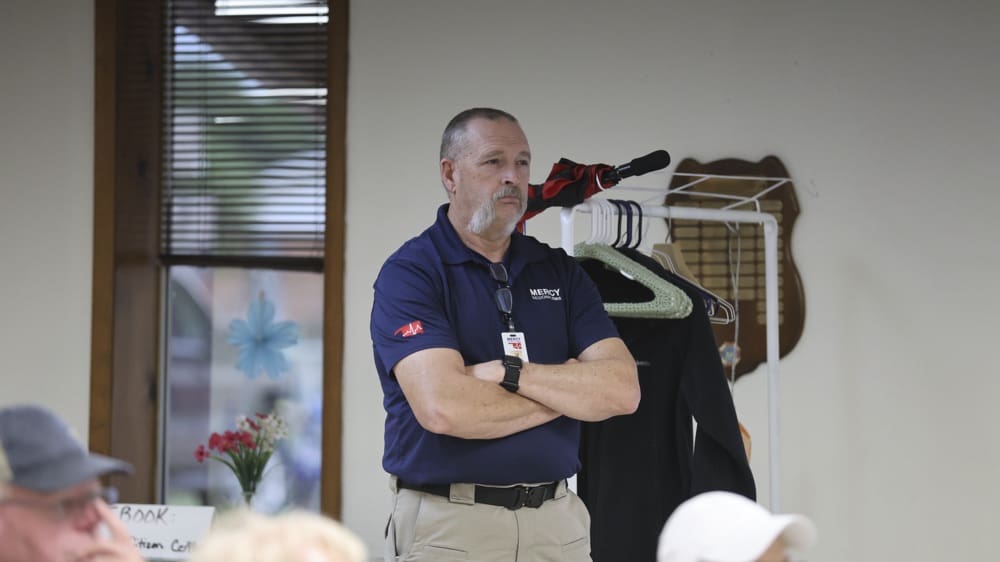
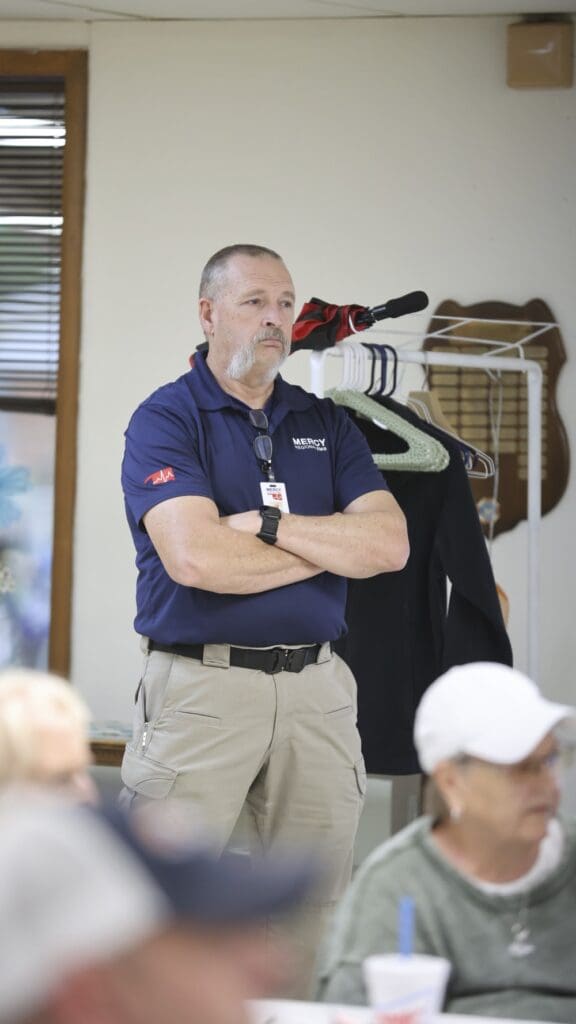
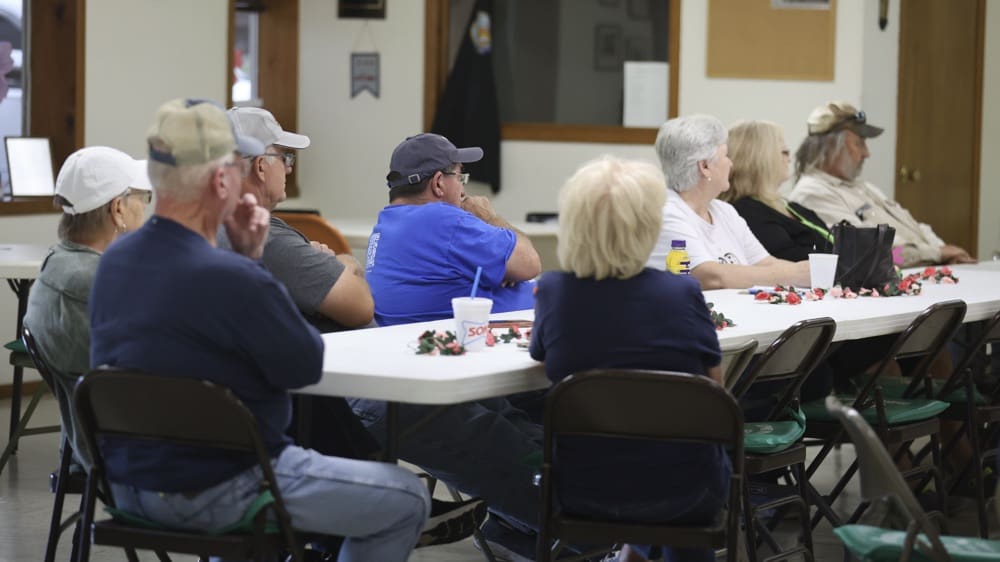
During a town hall-style meeting hosted by All About Hennessey on May 26, several residents raised concerns about the fairness of the proposed funding method. Because the district would be funded through property taxes, renters would not directly pay the tax, while larger landowners would bear a greater share of the cost.
In a video discussion, All About Network owner Jack Quirk and Hennessey Fire Chief Brandon Scott also explored possible long-term funding alternatives that have been discussed in other areas, including utility-based fees and cellphone-related service fees. However, no such alternatives are currently available under Oklahoma law for local EMS funding.
For now, the upcoming vote represents a decision about how Hennessey will fund and maintain emergency medical care for years to come while balancing rising costs and the community’s desire to maintain a high level of service.
The election will be held Tuesday, June 16. All registered voters living within the Hennessey School District are eligible to vote.
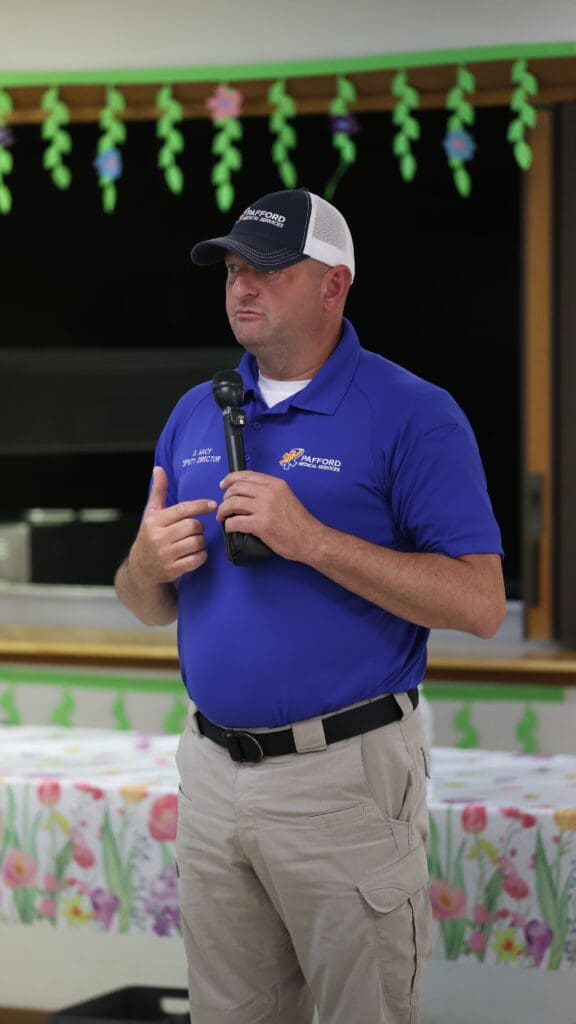
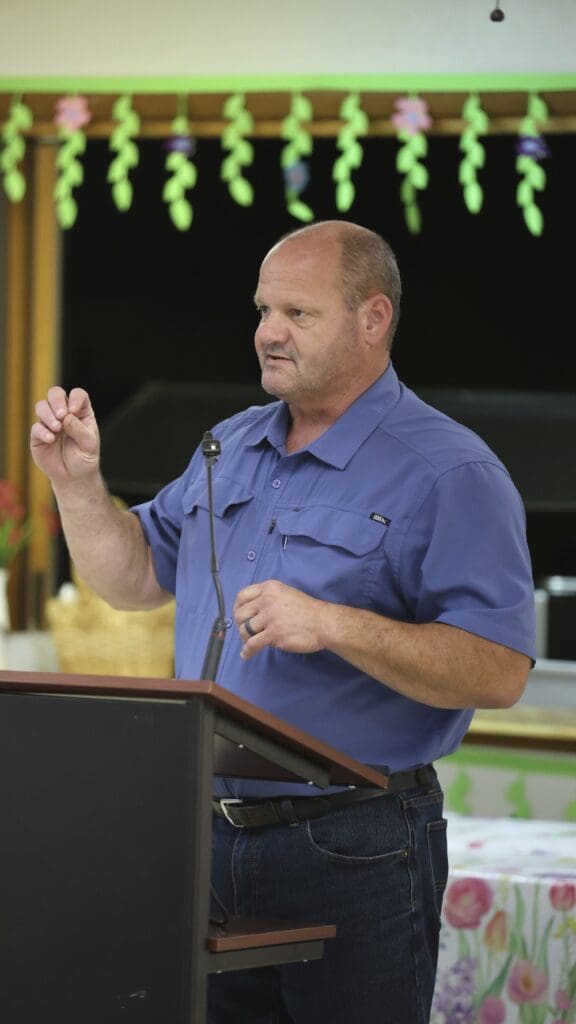
David Macy of Pafford EMS explains the importance of maintaining Advanced Life Support (ALS) ambulance service during a town hall-style meeting hosted by All About Hennessey on May 26.
About The Author
