
Ashley Zielny knows what it feels like to hear the words “you have breast cancer” and be unable to take in anything said afterward. She also knows there is life beyond that moment, even when it’s hard to picture at first.
Her story began on an ordinary evening in 2015. Her youngest daughter, Piper, was still a toddler, and Ashley had climbed into the bathtub with her to rinse off after a long day. While washing, she felt a lump. It struck her as strange, but cancer wasn’t her first thought. She was in her 30s with no family history of the disease, and her life was already full: two daughters to raise, a full-time job, and a master’s degree in nursing she was working to finish.
Still, she had it checked. On a lunch break in Oklahoma City, she stopped by to see a friend who was a nurse practitioner. Her friend thought it might be hormonal, but encouraged her to make an appointment, and that one visit led to a mammogram, an ultrasound and a biopsy. Ashley understood medical care better than most, but she had never been the patient waiting to find out whether she had cancer.
In the middle of that uncertainty, her family made the trip to Arizona so she could walk across the stage for her master’s degree. Her dad drove while Ashley sat in the back seat, finishing paperwork that had to be turned in by a deadline so she could graduate. Cancer was barely on her mind. She was focused on the finish line, and the instructions she’d been given not to get in the water or submerge became a bit of background noise, “blah, blah, blah,” as she put it. For a little while, there was something to celebrate.
Back home in June, with her husband busy with harvest, her aunt went with her to hear the results. The diagnosis was stage 2 breast cancer. “After that, I don’t remember what they said,” Ashley recalled. Almost immediately, the conversation turned to tests, an oncologist and a port for chemotherapy. “It happens so fast,” she said.
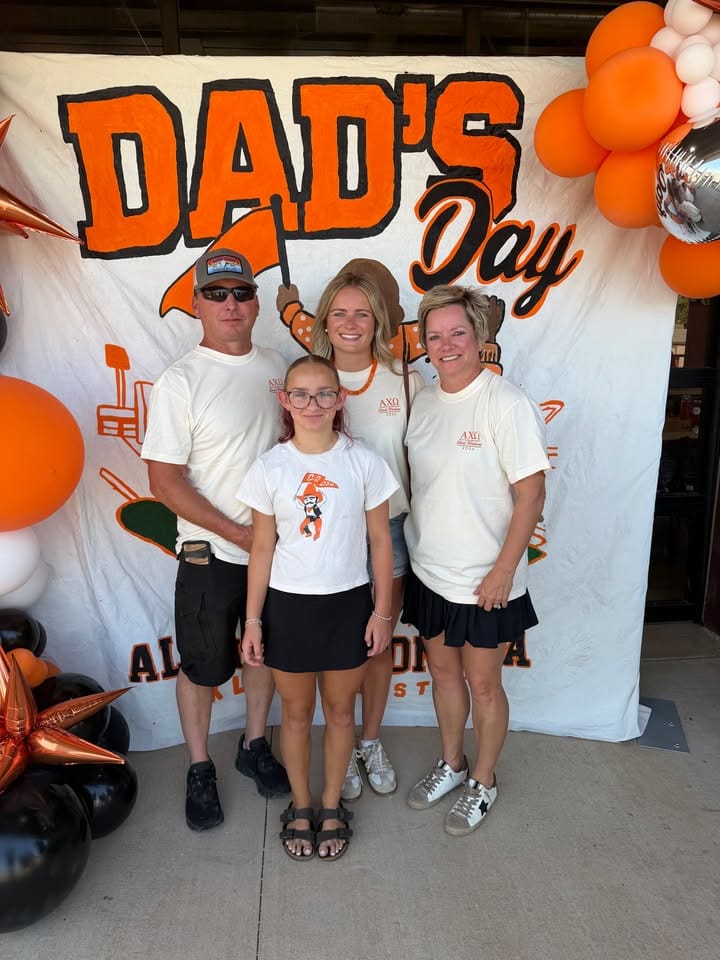
Soon after, a message arrived that Ashley now sees as more than a coincidence. Timberly Jech reached out and encouraged her to call a friend of hers who was a breast cancer survivor. Ashley did, and she remembers standing at a gas pump, sobbing into the phone about having cancer. On the other end was someone who had walked this road and knew exactly what to say. That friend guided her through the process, and Ashley believes their paths crossed for a reason. Today, that woman’s daughter and Ashley’s oldest daughter, Noelle, are in the same sorority house at OSU.
By July, chemotherapy had become part of her family’s routine. Ashley kept working full time, managing supplies for a health system, even as the side effects made familiar tasks harder. By the third day after a treatment, she often needed to sleep through most of the day. Her memory suffered too, a fog she called “chemo brain,” so she kept a pen and sticky notes in her car and let her dashboard fill with reminders, crossing each one off as she finished it. “I don’t know how I did it, but I did it,” she said.
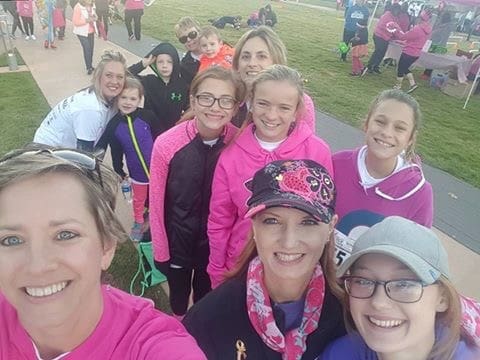
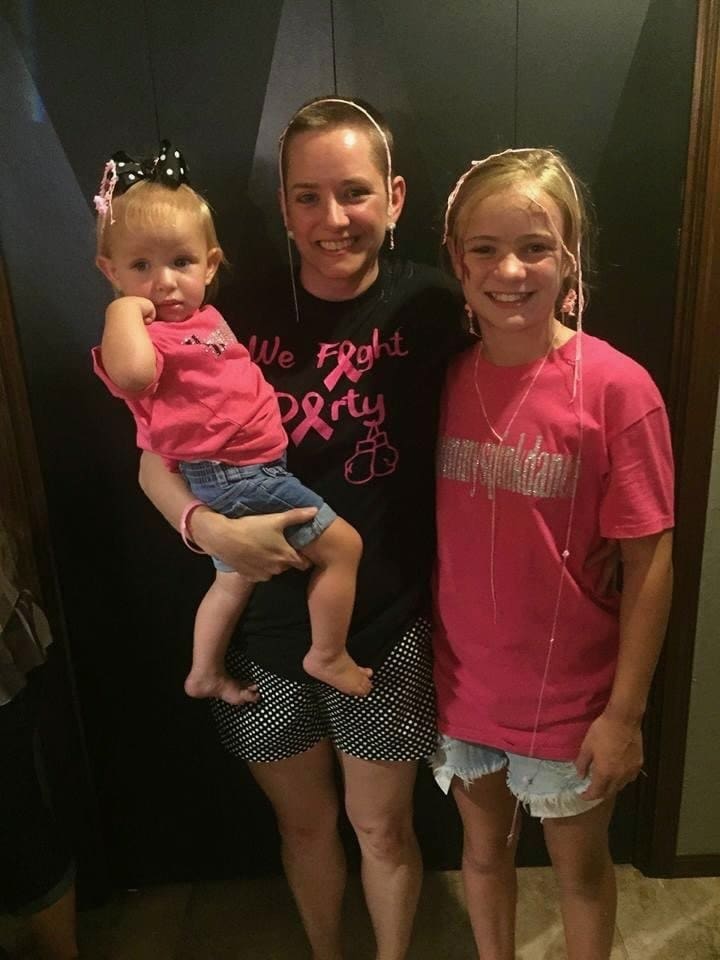
What she remembers most, though, is not the exhaustion but the people. When her hair began to fall out, her friends gathered in her backyard wearing pink, took photographs and took turns shaving her head. It wasn’t an easy day, but she didn’t have to face it alone. That kind of love followed her through the long hours of treatment. Family and friends sat beside her during chemotherapy. Coworkers surprised her with gift baskets and a book filled with messages. Friends brought dinner. On one walk, she reached the elementary school and found a group of people waiting to join her.
At home, her husband quietly carried what she couldn’t. Before her surgery, he researched high-protein foods and prepared meals so she could follow her doctor’s instructions. Afterward, he changed the showerhead to make bathing easier.
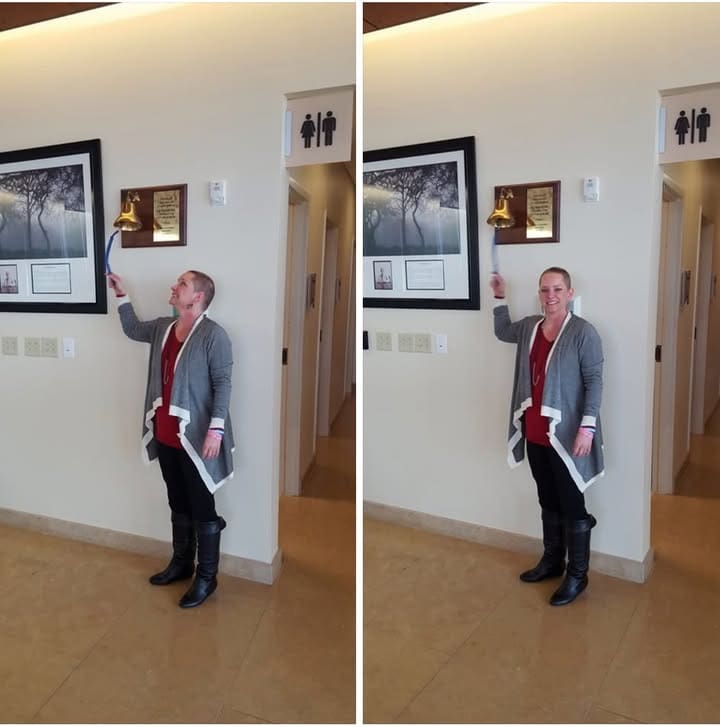
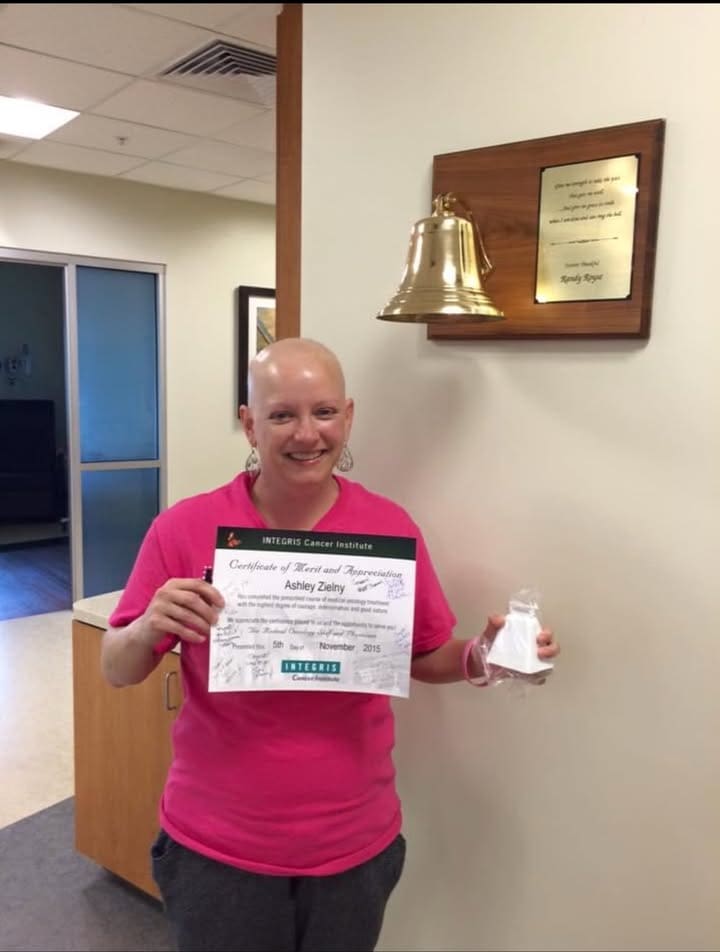
Ashley’s care included chemotherapy, 32 radiation treatments and a double mastectomy with reconstruction using her own tissue. By the end of 2016, she had come through the treatments and surgeries that followed her diagnosis. But recovery was more than reaching a final appointment. There were lasting physical changes and years of follow-up care, and there were small moments of humor, too. When her hair finally grew back, it came in black and curly, a surprise that took time to fade before it gradually returned to the color and texture she remembered.
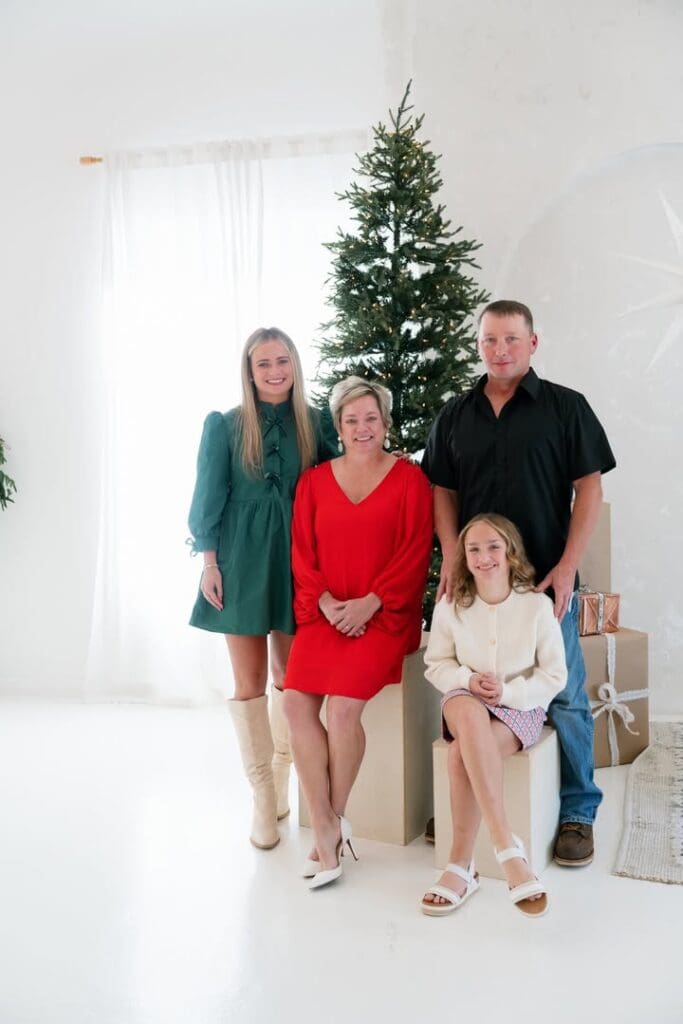
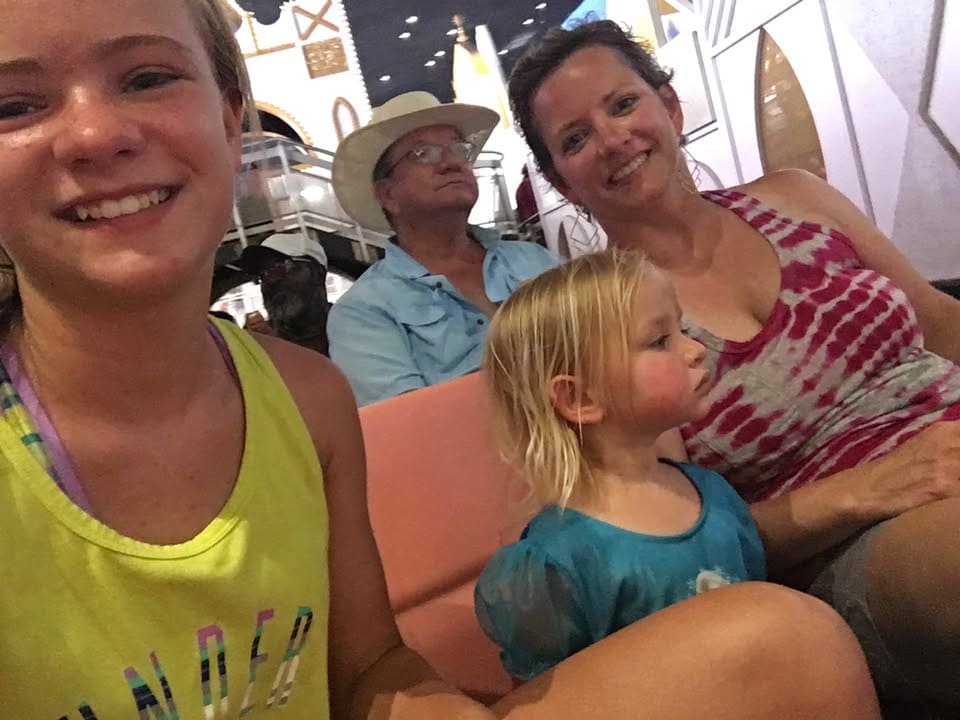
Now, 10 years after completing her treatment, Ashley continues her follow-up care, and she makes plans. There are trips to take with her daughters, activities to attend and family memories still waiting to be made. “If there’s a chance to travel or go do something, I’m going to do it,” she said.
That is the future she wants others facing breast cancer to be able to imagine. Treatment can be hard, and the next step can feel overwhelming, but her story reaches well beyond the day of her diagnosis. It includes watching her daughters grow, traveling with the people she loves and savoring ordinary days she refuses to take for granted.
Looking back, Ashley has learned how much practical kindness matters. When asked what she would tell someone who wants to support a loved one with cancer, her answer was simple: “Just be there.” Someone who is used to handling everything may struggle to ask for help, and a meal, a hand with the house, a phone call or a seat beside them at an appointment can ease a burden they might never mention.
She also hopes her story will move others to pay attention to their own health. Because she had no family history, her diagnosis was unexpected, and getting that lump checked was the first step toward treatment. “Listen to your body,” she said. “And don’t miss your doctor’s appointments.”
This October, during Breast Cancer Awareness Month, let her story be the nudge you need. Schedule the appointment you’ve been putting off. Mention the change you noticed. And if someone you love is in the middle of treatment, show up.
As Ashley puts it, “Just enjoy life. Don’t miss out on those small opportunities because you won’t get them back.”

About The Author
