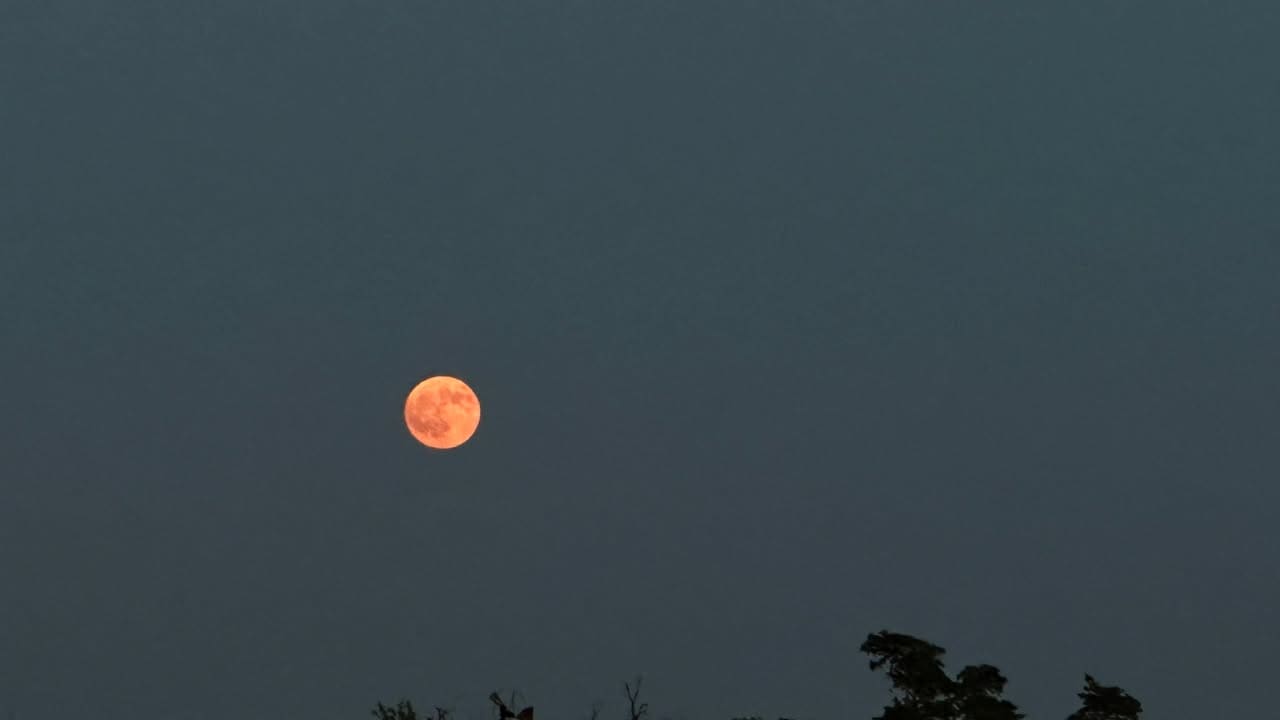
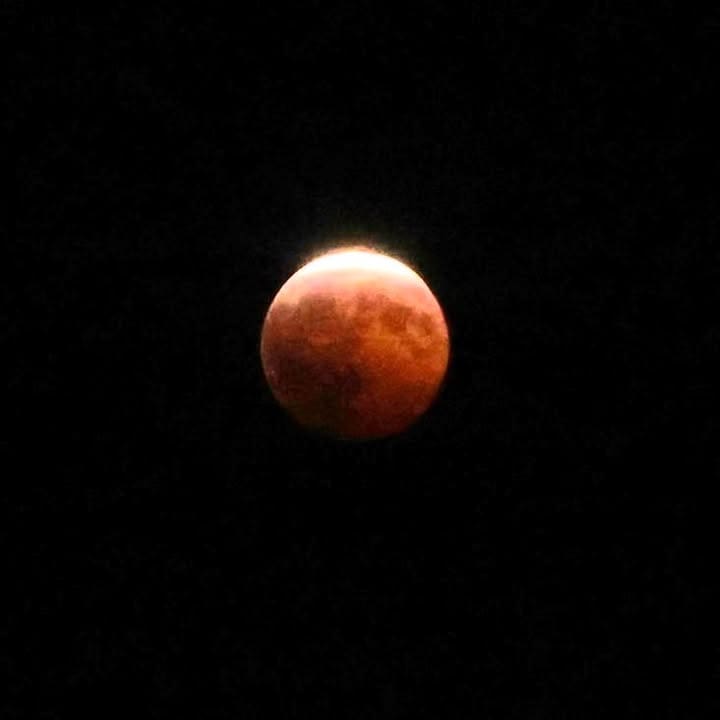
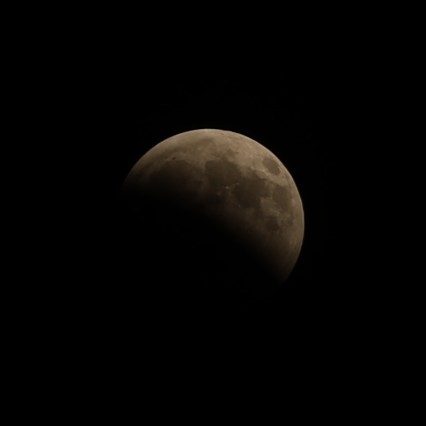
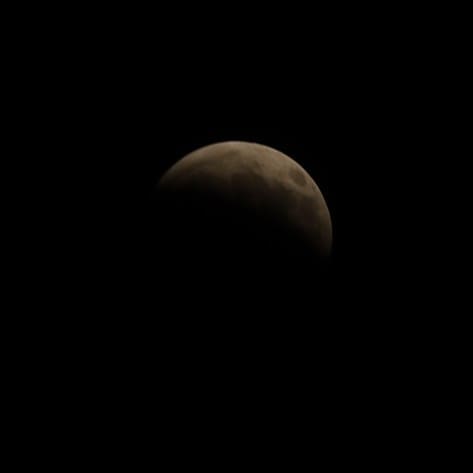
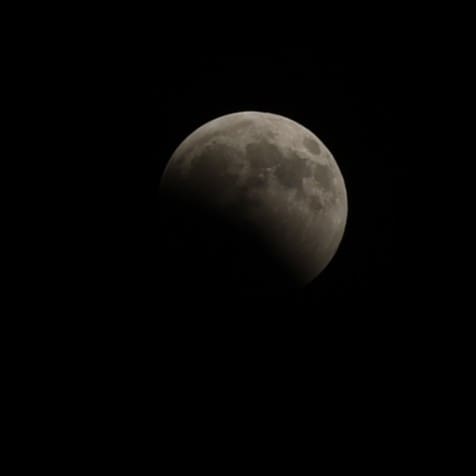
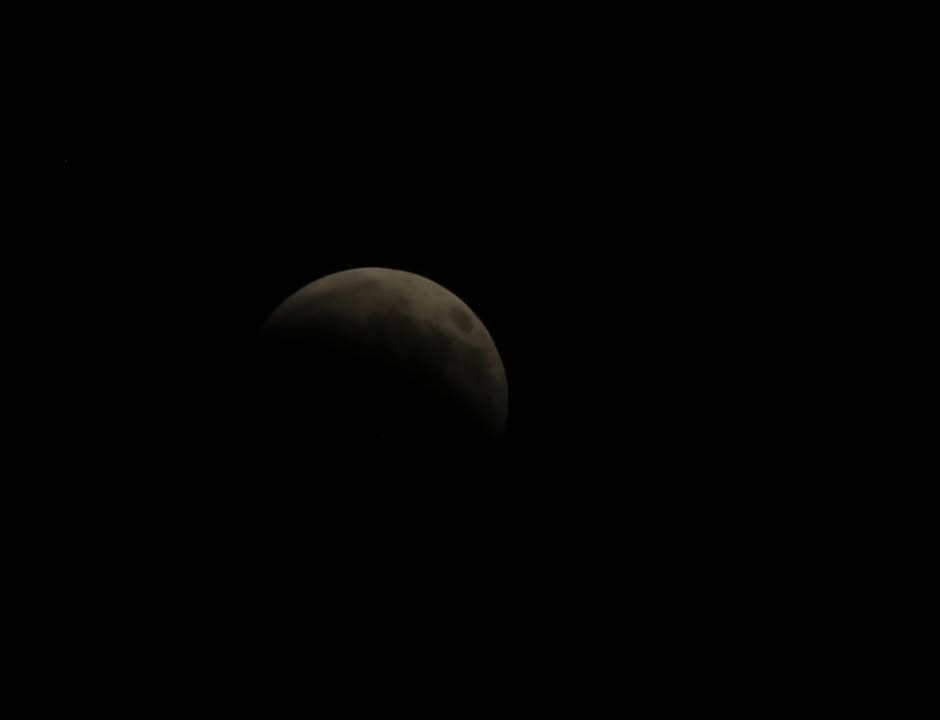
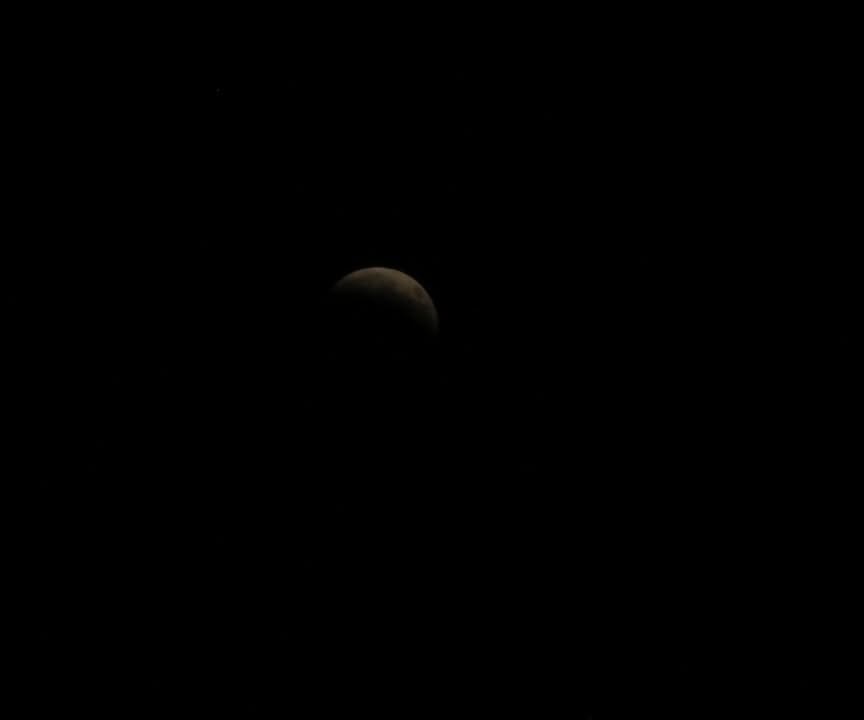
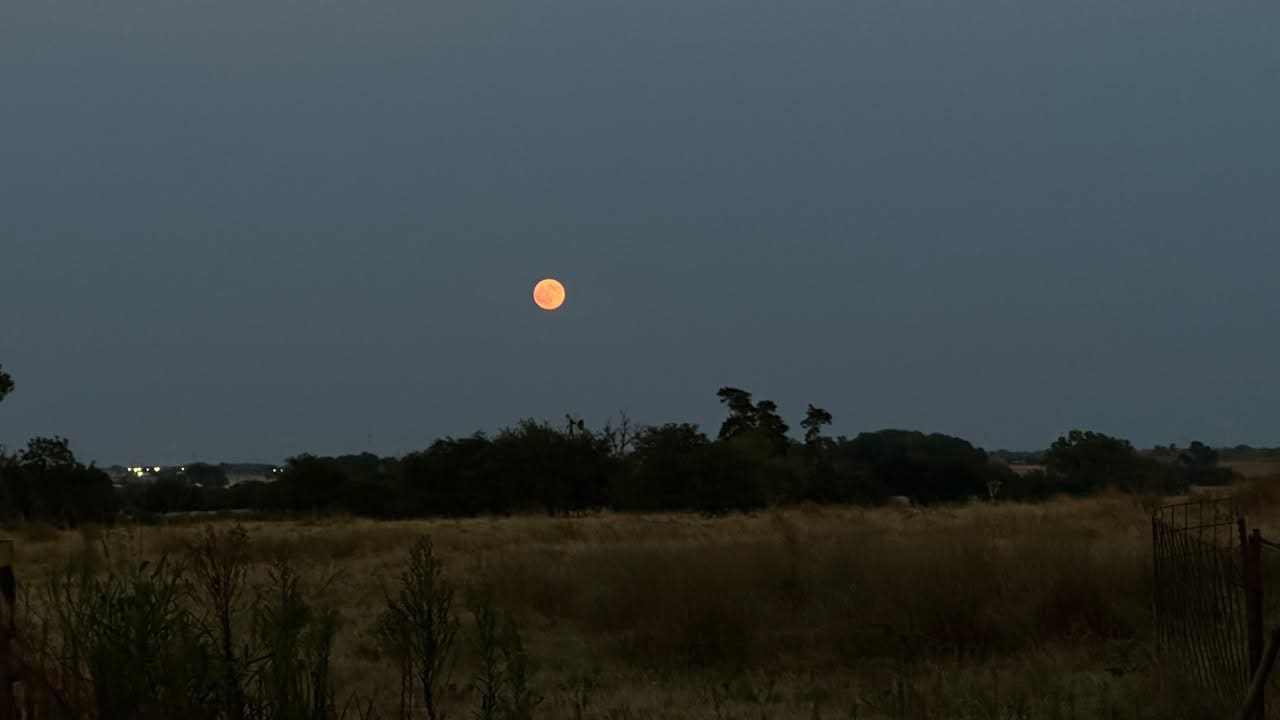
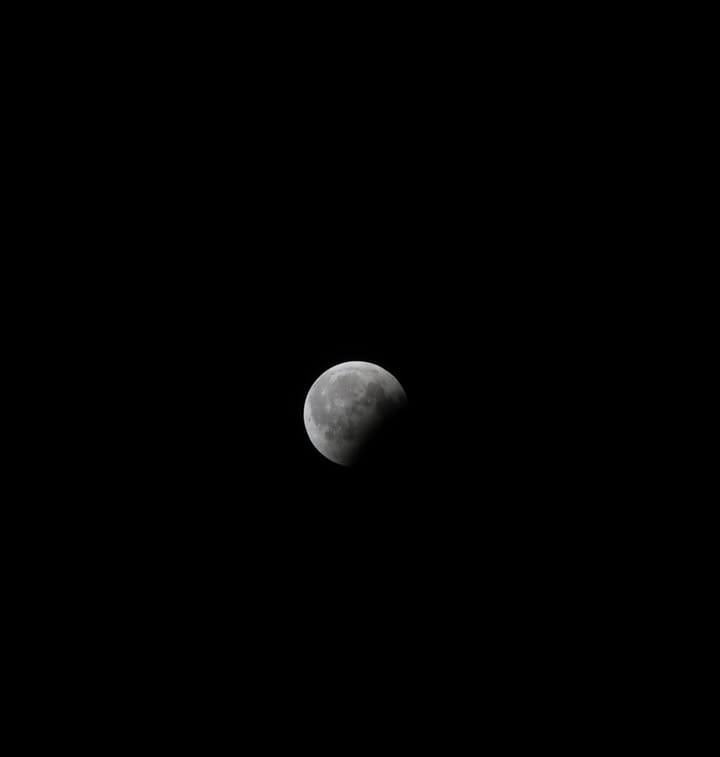
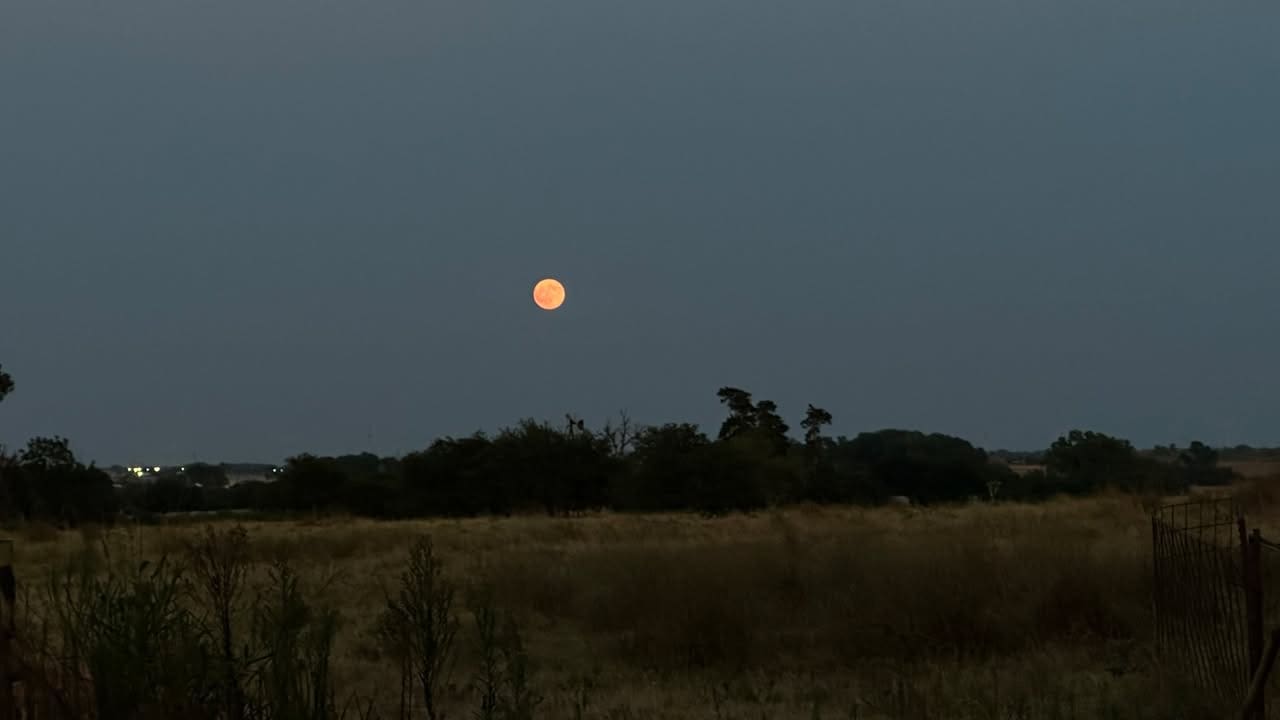
Oklahomans who looked up Thursday night, Aug. 27, were treated to quite a show as a partial lunar eclipse moved across the night sky.
The eclipse began shortly after the Moon rose, with the first subtle shading beginning around 8:23 p.m. The more noticeable partial phase followed later in the evening as the Earth’s shadow began moving across the Moon.
For viewers in the Kingfisher area, the eclipse reached its maximum at approximately 11:12 p.m., when about 94 percent of the Moon was obscured by Earth’s shadow.
The partial portion of the eclipse ended shortly before 1 a.m., while the final, more subtle stage continued until about 2:01 a.m. Friday.
WHAT CAUSES A LUNAR ECLIPSE?
A lunar eclipse happens when the Earth moves between the Sun and the Moon, causing Earth’s shadow to fall across the lunar surface.
Unlike a total lunar eclipse, Thursday night’s event was a partial lunar eclipse, meaning the Moon never moved completely into the darkest part of Earth’s shadow. Still, with such a large portion of the Moon covered at its peak, Oklahoma skywatchers had an impressive view.
And one of the best things about a lunar eclipse is that you don’t need special equipment to enjoy it. All it takes is a clear view of the night sky and a reason to step outside and look up.
Did you catch it?
If you snapped a photo of the eclipse from your corner of Oklahoma, share it with us. We’d love to see what the night sky looked like from across the area.
Photos by AAH Amy Townsend and Mark Bruner.