
A few weeks ago, I overheard an adult refer to someone as dyslexic. I’m not sure exactly how they meant the comment. I turned and said, “I’m dyslexic.” The apology came quickly after that. It made me wonder how the comment was intended in the first place.
Since that moment, I’ve found myself thinking a lot about my 7-year-old self and how she might have felt hearing something like that. I’m not writing this for sympathy. I’m writing it so someone out there on the dyslexia spectrum knows they are not alone.
When I was 7, I had no idea what the word dyslexia meant. In fact, I never even heard the word until I was an adult advocating for my own child. I just knew reading was hard, and honestly, I didn’t enjoy it until I was probably in my 30s. School wasn’t really my thing anyway. I wanted to go to work with my dad.
But when I got to first grade, things got really tough.
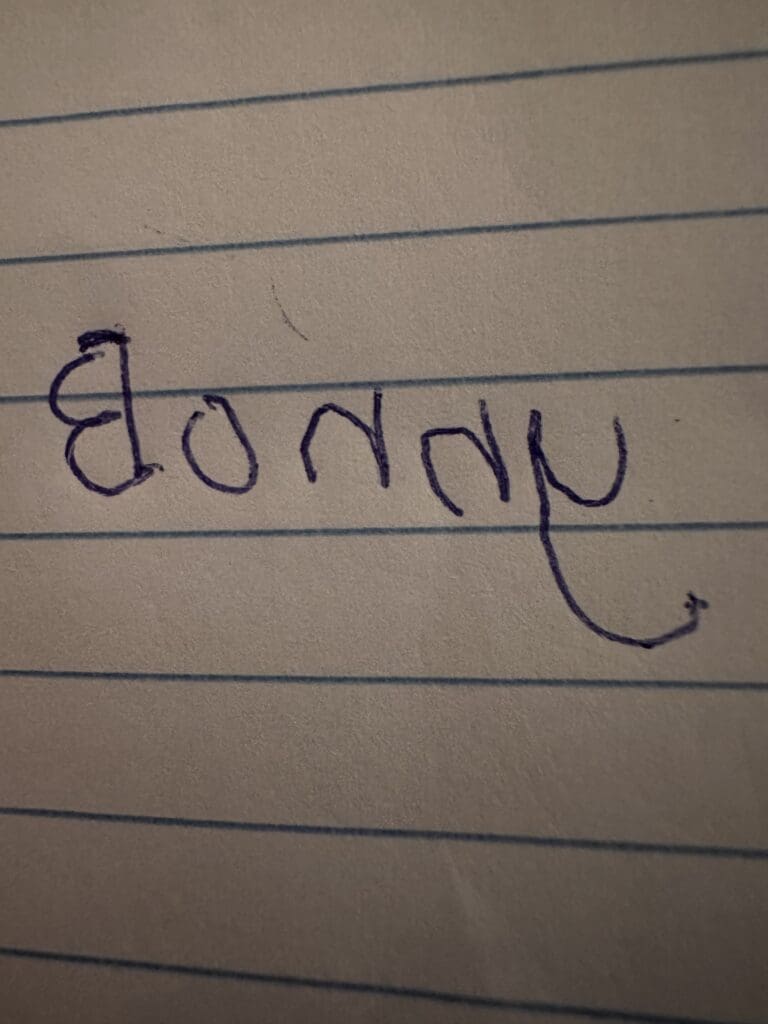
My sweet mom spent hours working with me. I still hate flash cards to this day. I could spell the words verbally, but when I wrote them down on the dreaded spelling tests, the letters would come out backwards. Because of that, I didn’t pass a single spelling test that entire year.
I was so desperate to pass just one that I even tried cheating. Not only did I get caught and feel completely embarrassed, the words were still backwards anyway.
I can still tell you exactly where I was standing when my mom told me I would be repeating first grade.
That summer I went to tutors twice a week. Yes… more flash cards. They were retired teachers and such a blessing to both me and my mom.
When school started again, I spent an hour every day in a room not much bigger than a closet. I would load film into a projector, read a sentence, and then take a test. To be honest, I got pretty good at changing the film. Understanding the stories was another matter.
As the years went on, the anxiety around school grew. I felt dumb. I felt like I didn’t fit inside the traditional box of learning.
Most teachers were wonderful. But there was one in sixth grade that I was moved away from after Christmas break. The tears I cried every afternoon after school told the story. That was the only time I ever remember my dad going to the school.
After I was moved out of that class, the teacher told the students it was because I wasn’t smart enough to be there.
Luckily for him, Jack Funderberg got to my dad before he did. That day started a lifelong friendship between Jack and my family. Jack became one of my biggest cheerleaders.
Along the way, there were people who understood that I simply learned differently. One teacher hung my Clifford the Big Red Dog drawing on the bulletin board and wrote a note saying I was actually good at something. Another no-nonsense teacher welcomed me into her classroom and helped me find my way.
Years later, I understood even more when my own child went through a similar journey. Dyslexia seems to run in families. By that time, he was actually tested and diagnosed. Modifications were made. Tests were read to him. He had a teacher who believed that the most challenging children are often the most rewarding to teach. She helped both my child and me.
So here’s something I want people to remember.
If your child writes letters backwards… struggles with left and right… or constantly puts their shoes on the wrong feet, they are not stupid and they are not lazy. They may simply learn differently.
And they need someone to advocate for them.
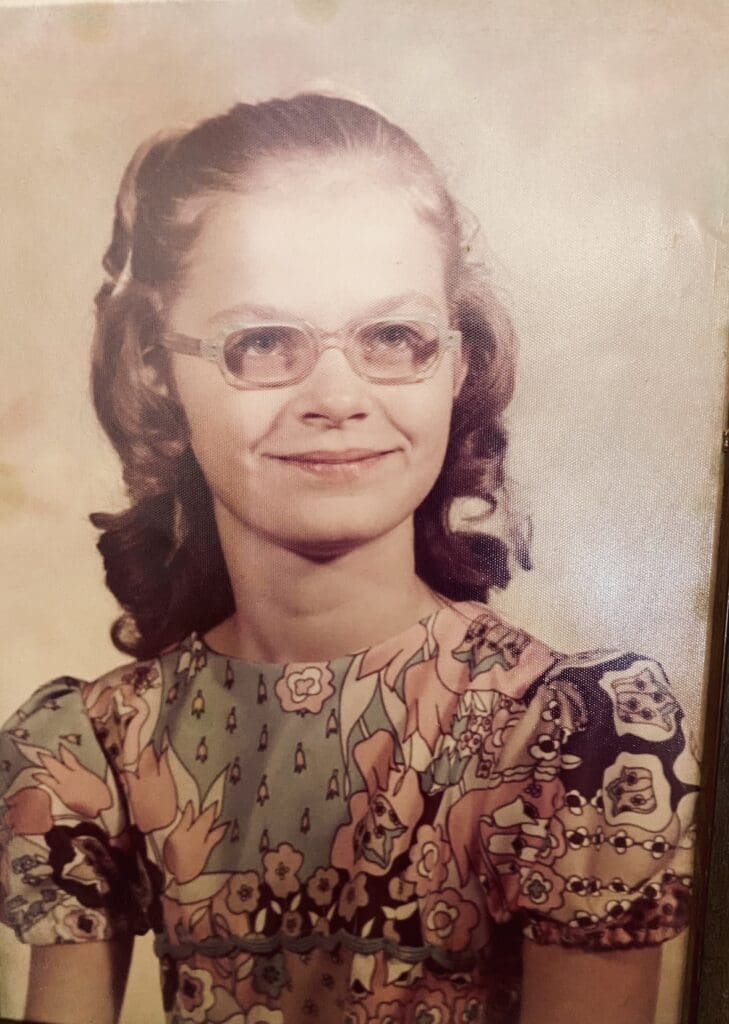
By the way, in that school picture from back then, I slept in those pink rollers the night before.
And I’m pretty proud of that little girl.
I’m also forever thankful for the people who stood in my corner during the journey.
About The Author
