
What began with a handshake between two friends in 1975 would eventually become one of Oklahoma’s most recognizable brands.
Stan Clarke, co-founder of Eskimo Joe’s, shared the story behind the Stillwater institution during a conversation on The All About Show, reflecting on the early ideas, unexpected changes and memorable moments that helped shape the business.
The story began in 1975, when a conversation between Clarke and a friend quickly turned into a plan. Within minutes, the two had shaken hands on a deal to open what would become Eskimo Joe’s in Stillwater. What started as a small bar concept soon began developing an identity all its own, driven by creativity, energy and a willingness to take a chance.
One of the most recognizable pieces of that identity came together just as quickly. The now-famous Eskimo Joe’s logo was created by an Oklahoma State University student, introducing “Joe” alongside his dog, who would later be named Buffy by early customers. The simple design eventually became a brand mark recognized far beyond Stillwater.
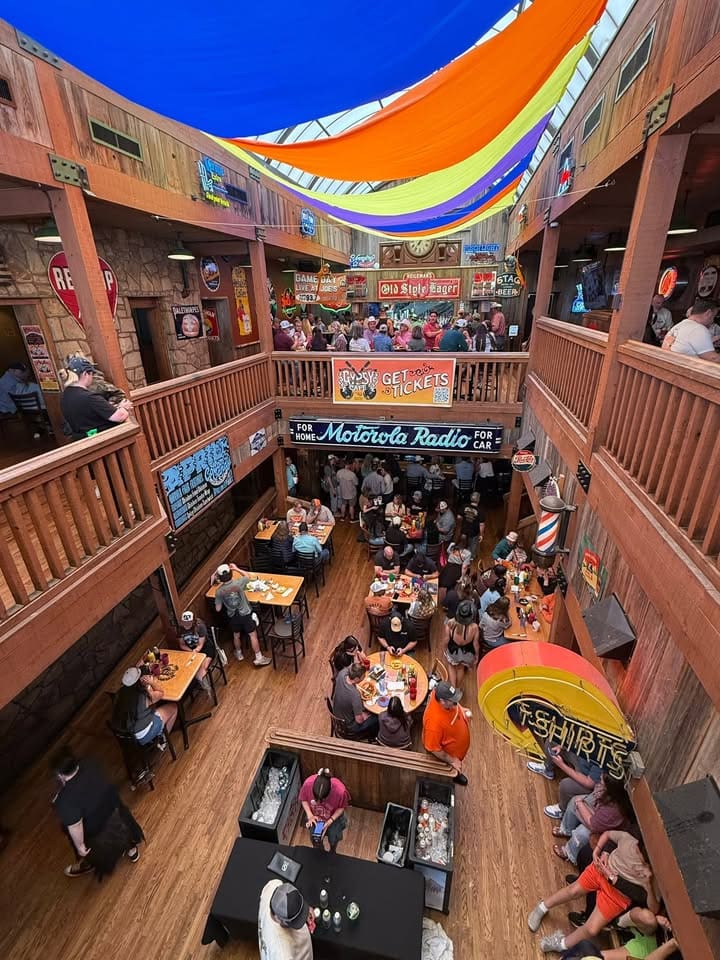
The business itself also evolved along the way. Changes to Oklahoma’s liquor laws became a major turning point, pushing Eskimo Joe’s into food service and helping transform the business from a bar into the restaurant experience generations of customers know today. The change opened the doors to families and customers of all ages and helped set the stage for continued growth.
Merchandise was also part of the story from the beginning, with T-shirts available from day one. Over the years, the Eskimo Joe’s name and logo grew beyond the restaurant itself, becoming a brand seen on shirts and merchandise across Oklahoma and well beyond the state.
Looking back, Clarke said the vision was never simply about creating something for the short term. From those earliest days, there was a belief that what they were building was special.
Nearly five decades later, what started with a conversation, a handshake and an idea has become a Stillwater institution and a recognizable piece of Oklahoma culture.



About The Author
